Architectural Artificial Roofing vs Typical Products in the Midwest
Anyone who has invested a few years seeing roofing systems age in the Midwest discovers promptly that this area is ruthless. A roofing right here does not face one climate. It faces all of them. January can bring ice dams, wind chill, and hefty snow remaining on the eaves for days. April usually supplies freeze-thaw swings and tough rainfall. Summertime bakes dark surface areas under strong UV direct exposure, after that rolls in hailstorm and straight-line winds. Fall drops leaves right into valleys and seamless gutters, trapping wetness where weak products begin to fail.
That climate fact is the real backdrop for the conversation around architectural artificial roof covering versus traditional products. Home owners are no longer selecting entirely on look or first cost. They are weighing weight, weather performance, upkeep cycles, installation intricacy, and exactly how well a roof covering will certainly still look after 10 or twenty Chicago-area winters. In higher-end areas, that discussion gets even more particular. People want the aesthetic splendor of slate, cedar shake, or tile, but they also desire a system that does not penalize them with constant upkeep.
The rise of costs artificial roof covering is not a fad. It is an action to useful issues that traditional roof products have actually constantly had, especially in the Midwest.
What "building artificial roofing" actually means
The term obtains utilized freely, so it helps to specify it. Building synthetic roofing normally describes engineered roof items made to duplicate the look of all-natural slate, cedar shake, or clay ceramic tile while improving influence resistance, lowering weight, and streamlining setup. Depending upon the supplier, these products may be made from innovative polymers, recycled composite blends, or various other crafted materials.
Not all artificial roofing systems are produced equivalent. Some are plainly entry-level alternatives meant to strike a price factor. Others hold true premium artificial roofing items with deep accounts, molded appearance, customized shade blending, and accessory items that produce a finished, encouraging roofline. The difference issues. A bargain artificial tile might look level and recurring from the road. A well-crafted architectural item can mislead the majority of people until they are standing a few feet away.
In practical terms, the best building artificial roof aim to address a challenging formula. They attempt to preserve the curb charm of heritage materials while lowering some of the obligations that include them.
Why the Midwest changes the equation
A roof covering product that does well in a dry, warm climate may disappoint terribly in Illinois, Wisconsin, Indiana, or Michigan. The Midwest subjects weaknesses fast.
Natural cedar, for instance, can be beautiful. Fresh cedar shake has heat and deepness that home owners enjoy. But on homes shaded by fully grown trees, specifically near the lakeshore or in recognized suburban whole lots, wetness retention ends up being a serious problem. Shakes can cup, split, darken unevenly, and invite moss or algae growth. That does not indicate cedar is a bad item. It suggests cedar needs the appropriate environment and alert maintenance, which not every property owner is prepared to provide.
Natural slate is an additional example. Appropriately sourced and installed slate can last a long time. It brings unrivaled prestige. Yet slate is heavy, fragile under foot traffic, expensive to fix, and ruthless of installment errors. In the Midwest, where roofing replacement typically follows storm events and insurance timelines, finding teams with true slate knowledge can be hard. One misplaced action on a cold early morning can fracture pieces that then need customized replacement.
Asphalt tiles, the default option across much of the region, address some of these issues yet present others. They are accessible and familiar, and a high quality architectural asphalt shingle remains a sensible roof for lots of homes. Still, Midwest hail, granular loss, thermal biking, and wind direct exposure can shorten real-life efficiency compared to what property owners anticipate when they hear a long service warranty term.
That is why property synthetic roof has taken a growing place in the marketplace. It rests between goal and practicality.
How artificial roofing compares to asphalt, cedar, slate, and tile
The toughest situation for synthetic roofing shingles is not that they defeat every conventional material in every category. They do not. The instance is that they usually execute better throughout the groups that matter most to Midwest homeowners.
Asphalt roof shingles still win on access expense. If budget plan is the very first and overriding issue, asphalt remains the most usual answer. A home owner replacing a typical rural roofing system after tornado damages can frequently keep costs within a familiar variety with laminated roof shingles. But the lasting image can shift if repeated repair work, much shorter life span, or aesthetic restrictions matter.
Cedar delivers beauty that is hard to fake when it is brand-new. On historical homes and particular architectural designs, it looks precisely ideal. Yet its maintenance concern is actual. In communities with hefty tree cover, I have seen cedar roofings begin revealing unequal wear well before owners expected it. Once splitting and wetness biking increase, the roofing system can go from "weather-beaten and good-looking" to "tired and prone" faster than many individuals prepare for.
Slate is still the criteria for stature, yet it brings structural and logistical considerations. Some homes need support to support it. Repair work needs skilled hands. Flashing information become crucial. The material itself can outlast many other elements of your house, yet just if the whole system is treated with that said very same degree of care.
Clay and concrete floor tile are much less common in the upper Midwest than in warmer regions, partially due to design fit and partially because freeze-thaw conditions can be penalizing. Tile also includes weight and intricacy, and it does not make good sense on every roofing system structure.
Architectural synthetic roof covering gets in that mix as a lower-weight, typically impact-rated option that can mimic slate or tremble well while tolerating Midwest weather much better than many proprietors anticipate. An appropriate artificial roof covering replacement can give the aesthetic statement of a high-end roofing without forcing the home to bring the structural tons or the very same maintenance needs of all-natural materials.
Appearance, and the concern house owners rarely ask correctly
Most people ask whether artificial roofing looks "real." That is understandable, however it is not quite the best question. The better concern is whether it looks suitable on the house.
An excellent roofing system is not simply an isolated item. It needs to fit the scale, architecture, house siding structure, masonry shade, home window trim, and even the profile of the seamless gutters and flashing. Some synthetic items have heavy darkness lines and varied widths that suit a Tudor, French nation, or lakefront custom home beautifully. Others look too uniform for a high-end construct and can in fact undervalue the exterior if the pattern repeats too obviously.
This is especially crucial with synthetic roof for luxury homes. Purchasers on top of the marketplace notification details. They might not determine the producer from the driveway, however they can tell when a roof really feels level, shiny, or disproportionate. The most effective costs artificial roofing products prevent that trouble by mixing sizes, astonishing discloses, and utilizing blended https://salvoarchitecturalroofingcontractors.com/restoration-and-preservation/ coloration that resembles natural aging rather than a factory-printed monotone.
In areas such as Naperville, Hinsdale, Lake Woodland, and parts of the North Coast, roof covering choice typically intersects with design review requirements, neighborhood expectations, and resale positioning. A homeowner looking for synthetic roof Naperville IL is often not searching for the cheapest roof covering offered. They are trying to find the best aesthetic outcome with less migraines over time.
Weight matters greater than many people realize
Structural tons is not an attractive topic, yet it drives lots of roof decisions behind the scenes. All-natural slate and ceramic tile can consider several times more than asphalt or numerous synthetic options. On a new customized build, an architect and engineer can prepare for that from the first day. On an existing home, the story is different.
I have seen property owners love the look of slate, only to find out that bringing their mounting up to the needed capacity would include a significant expense before a solitary roof covering floor tile was installed. That type of exploration can thwart a job quickly. Artificial roofing systems usually preserve the preferred appearance while staying clear of reinforcement work.
Lower weight additionally aids in subtler ways. It can reduce stress on older framework participants, streamline staging and taking care of on website, and make sure roofing system layouts more useful to carry out. It does not get rid of the need for proficient labor, but it broadens what is viable on an existing Midwest home.
Hail, wind, and effect resistance
This is where artificial roofs often gain their keep. In the Midwest, storm performance is not academic. Hail insurance claims are common sufficient that house owners and insurance firms both pay close attention to impact resistance ratings.
Many premium artificial roof covering products are crafted to achieve high influence resistance, usually much better than natural slate or cedar, which can break, split, or contusion under hailstorm. That does not mean a synthetic roofing system is unbreakable. Huge sufficient hail can harm virtually anything. Yet on equilibrium, durable synthetic materials have a tendency to absorb effect much more forgivingly than brittle natural products.
Wind performance is likewise considerable in open suv growths and on homes near areas, golf courses, or lakefront exposures. Traditional products can fall short at bolts, edges, or specific items when uplift pressures find a powerlessness. An appropriately designed synthetic roof covering installation, coupled with the right underlayment and device parts, can carry out very well in those conditions.
The catch is "appropriately created." A premium item installed carelessly will not measure up to its promise. That is why the option of artificial roofer matters practically as long as the product itself.
Installation high quality is not a side issue
Homeowners occasionally shop roof products as if installment were interchangeable. It is not. A synthetic roof covering firm that understands the product line, neighborhood code needs, incline changes, air flow, blinking information, snow and ice patterns, and manufacturer-specific accessories will produce a considerably various outcome than a crew trying the product for the 2nd or 3rd time.
This turns up usually in artificial roof covering Chicago jobs. Chicago and the surrounding suburbs have a huge variety of real estate stock, from compact bungalows to steep-roofed historic homes to big custom homes with intricate valleys, dormers, and converging roofing airplanes. Synthetic materials can deal with that range well, but only if design and detailing are done thoughtfully.
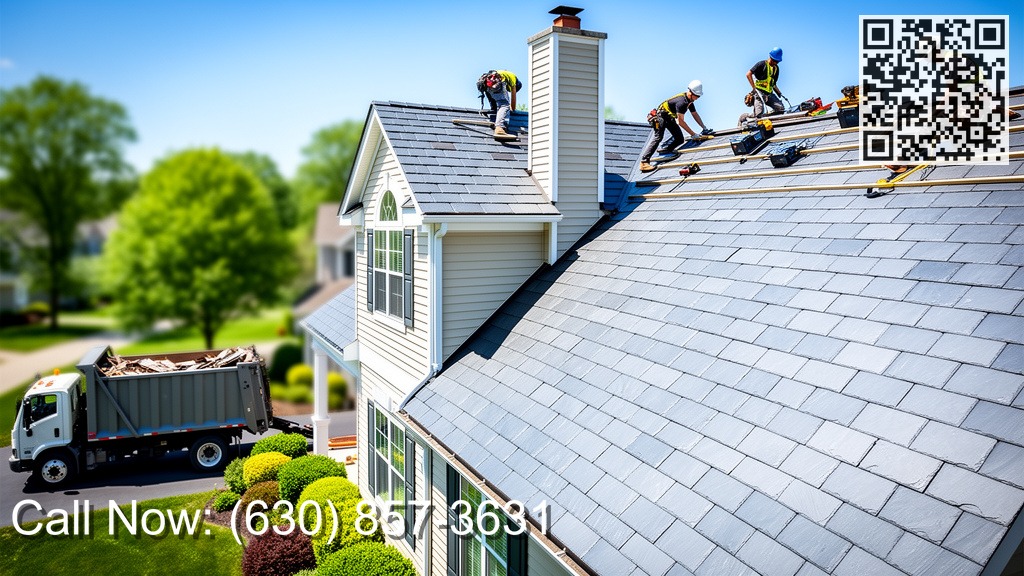
A knowledgeable artificial roofing contractor Chicagoland home owners count on will normally begin by looking past the surface product. They review attic room air flow, deck problem, blinking at stonework shifts, seamless gutter approach, ice-and-water protection, and whether snow guards or details accessory items make sense. They also pay attention to visual information. Direct exposure lines, starter placement, ridge treatment, and color option can make the difference between a roofing that looks fine-tuned and one that merely looks expensive.
When people work with artificial roof covering installers based just on the lowest bid, issues tend to turn up in the information initially. Misaligned courses, awkward valley changes, low-cost flashing metals, and inconsistent attachment patterns have a way of surfacing within a couple of seasons.
Maintenance realities over time
One of the biggest debates for artificial roof covering replacement is minimized maintenance compared with natural cedar or slate. That argument is usually reasonable, yet it should be specified carefully.
Synthetic roofing systems are reduced upkeep, not no upkeep. Rain gutters still require cleaning. Valleys still accumulate debris. Flashings still should have routine examination. Sealants around relevant roof covering penetrations will certainly not last forever even if the field material is synthetic. Branches scraping the roof can still develop cosmetic wear. Ice dam concerns can still establish if the attic is badly insulated and ventilated.
What adjustments is the vulnerability of the area material itself. An artificial slate or drink product is generally much less most likely to split, rot, flake, or fracture under average seasonal anxiety than natural timber or stone options. For several house owners, that lower maintenance account is the factor. They want the building appearance without having to baby the roof.
Cost, and where people often misread value
It is very easy to contrast roof covering proposals by looking at the total amount at the end of the page. It is harder, and more useful, to contrast worth over twenty or thirty years.
Synthetic roof coverings normally set you back much more upfront than conventional asphalt tiles. They normally cost less than top-tier all-natural slate or high-end cedar installments, especially when you factor in architectural support, specialty labor, and long-term maintenance. That puts architectural synthetic roof in a middle-to-upper rate that appeals to home owners preparing to stay, preserve visual appeals, and reduce lifecycle headaches.
The blunder I see most often is dealing with every synthetic alternative as if it belongs in the same bucket. It does not. There is an actual spread in item quality, density, realistic look, warranty terms, and accessory completeness. Some manufacturers offer durable system-based packages. Others mostly use field roof shingles and leave installers to improvise side and information problems. That can impact both look and durability.
For a homeowner comparing propositions, one of the most beneficial concerns normally involve the entire system, not simply the visible roof shingles or tile.
- What underlayment plan is consisted of, especially at eaves, valleys, and penetrations?
- Are flashings being changed totally, or recycled where convenient?
- Does the installer have significant experience with this certain synthetic product?
- Are ridge, hip, and starter devices matched to the system?
- How will certainly air flow be resolved as part of the replacement?
Those solutions usually expose extra about lasting worth than the material label alone.
Where conventional materials still make sense
It would be lazy to pretend artificial roof coverings are always the most effective answer. They are not.
For a rigorous historical remediation, natural products may be needed or simply more appropriate. Some landmarked homes should have real slate or cedar because that is part of their building identity. In other cases, a homeowner may really value the patina and aging features of natural products, even recognizing the added upkeep they bring.
Budget likewise matters. If a family members needs a dependable roofing at one of the most manageable upfront price, a well-installed asphalt system might be the most sensible option. There is absolutely nothing naturally wrong with that. Roof decisions should fit both the house and the home owner's priorities.
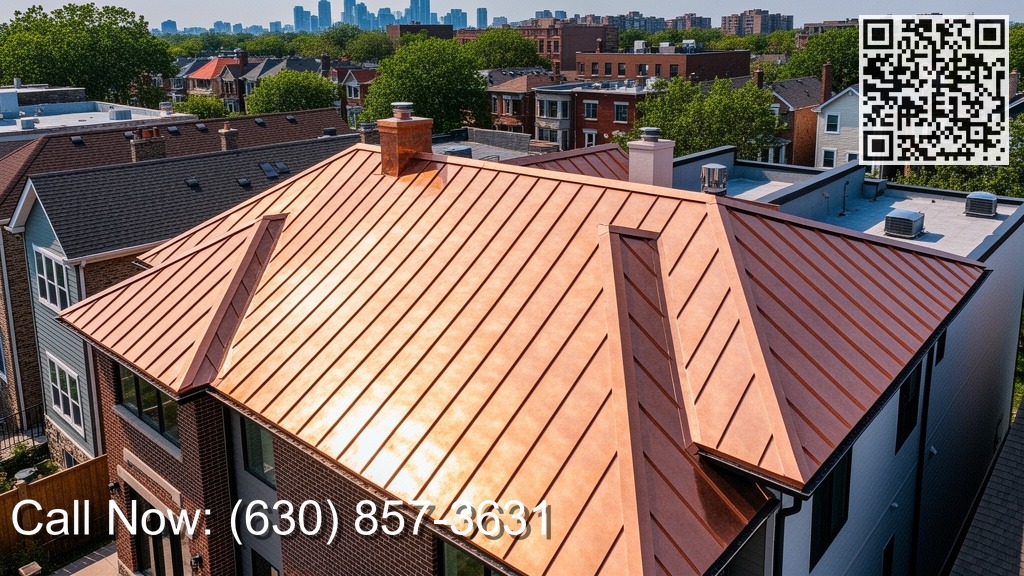
There are additionally style constraints. Some homes do not take advantage of an artificial slate or drink profile due to the fact that their design is too simple, also low-pitched, or also small in scale for that material language to look all-natural. A roofing system ought to elevate your home, not outfit it.
Where synthetic roof tends to shine
The greatest candidates for household artificial roof are homes where appearance matters, storms are a problem, and the owner wants a longer-term material without the weight and maintenance of conventional luxury products.
That commonly consists of customized homes, upper-end rural houses, refurbished historic-looking buildings, and residences with complicated roofing system geometry where cedar or slate would drive prices dramatically greater. It likewise includes homeowners who have actually currently lived through the disadvantage of one more product. Someone who has replaced storm-damaged asphalt twice in fifteen years, or invested years maintaining an aging cedar roofing, has a tendency to comprehend the appeal quickly.
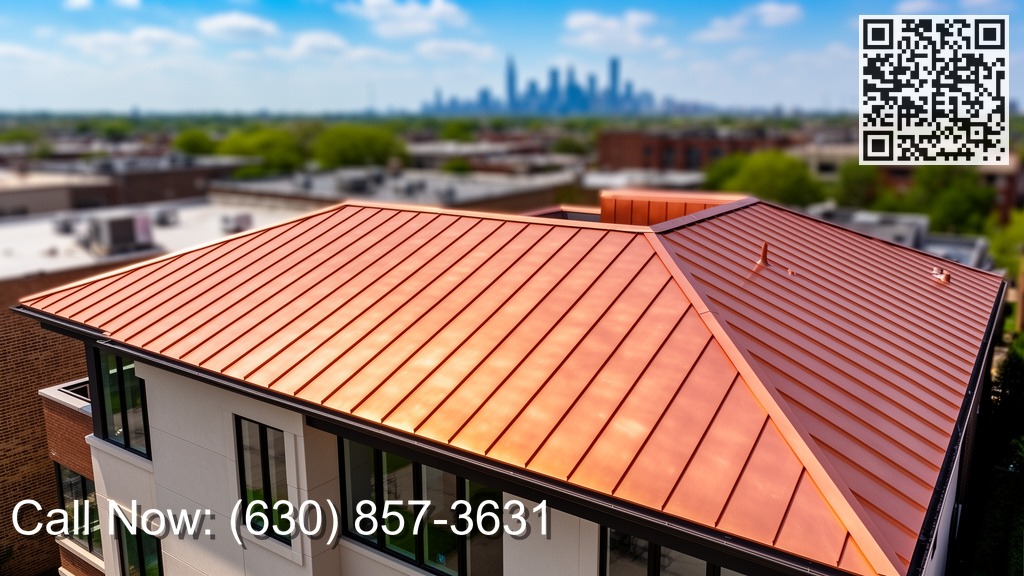
In the Chicago area, synthetic roofing systems have actually discovered an especially good fit on homes that want the aesthetic character of old-world products while standing up better to hail, wind, and winter season wetness. That holds true from city areas with masonry-heavy architecture to western suburban areas where huge homes sit revealed to weather across open lots.
Choosing the right contractor in the Midwest
The product decision and the service provider choice need to happen together. A wonderful item on the incorrect house, or in the wrong hands, can disappoint. A thoughtful specialist tightens that threat by matching item, slope, blinking strategy, ventilation, and aesthetic details to the actual property.
A capable artificial roofer must be able to describe why one item is a far better fit than another without slipping into sales clichés. They need to chat comfortably concerning freeze-thaw problems, ice protection, attic airflow, ridge details, snow dropping habits, and service years later on. They must also have a profile with homes comparable to yours, not simply generic producer photos.
For property owners comparing an artificial roof covering firm against conventional roofing contractors who only sometimes install synthetics, experience matters. This group of roofing is fully grown enough since there is no factor to accept on-the-job experimentation.
The Midwest verdict
Architectural synthetic roof covering has gained its area since it responds to a genuine regional need. It gives home owners a method to catch the depth and difference of slate, shake, or floor tile appearances without soaking up every disadvantage those products can lug in a Midwest climate. It is not the most affordable path, and it is not constantly the most historically genuine course. But it is often the most well balanced one.
For numerous homes, especially those looking for costs visual allure and practical durability, artificial roofings use a compelling middle course. They minimize weight, usually improve effect resistance, and reduced regular upkeep while preserving a high-end building look. When paired with a strong style fit and a self-displined synthetic roofing system installment, the outcome can be a roofing system that feels both significant and sensible.
That balance is what makes synthetic roofing Chicago home owners progressively request, and what maintains it growing across the broader area. In a climate that exposes every weakness eventually, balance matters. A roofing system has to look right, but it likewise has to maintain confirming itself after the uniqueness is gone, after the storms come through, and after another wintertime settles over the Midwest.
When Quality Matters
Salvo Architectural Roofing Contractors
566 West 5th Ave Naperville, IL 60563
(630) 857-3631
 Ask ChatGPT
 Ask Grok
 Ask Perplexity
 Ask Claude
 Ask Google AI
 Ask You